At first glance, the drive along Highway 50 toward Elmdale, Kansas feels like a journey back in time. Cell signals fade, traffic noise disappears, and the horizon opens into wide skies and rolling fields that seem to stretch forever. It’s the kind of landscape that invites you to slow down and look twice. Hidden within this quiet corner of Chase County is a transformation few would expect—one that turns a forgotten farm structure into an unforgettable place to stay, proving that creativity can thrive far from city streets and design studios.
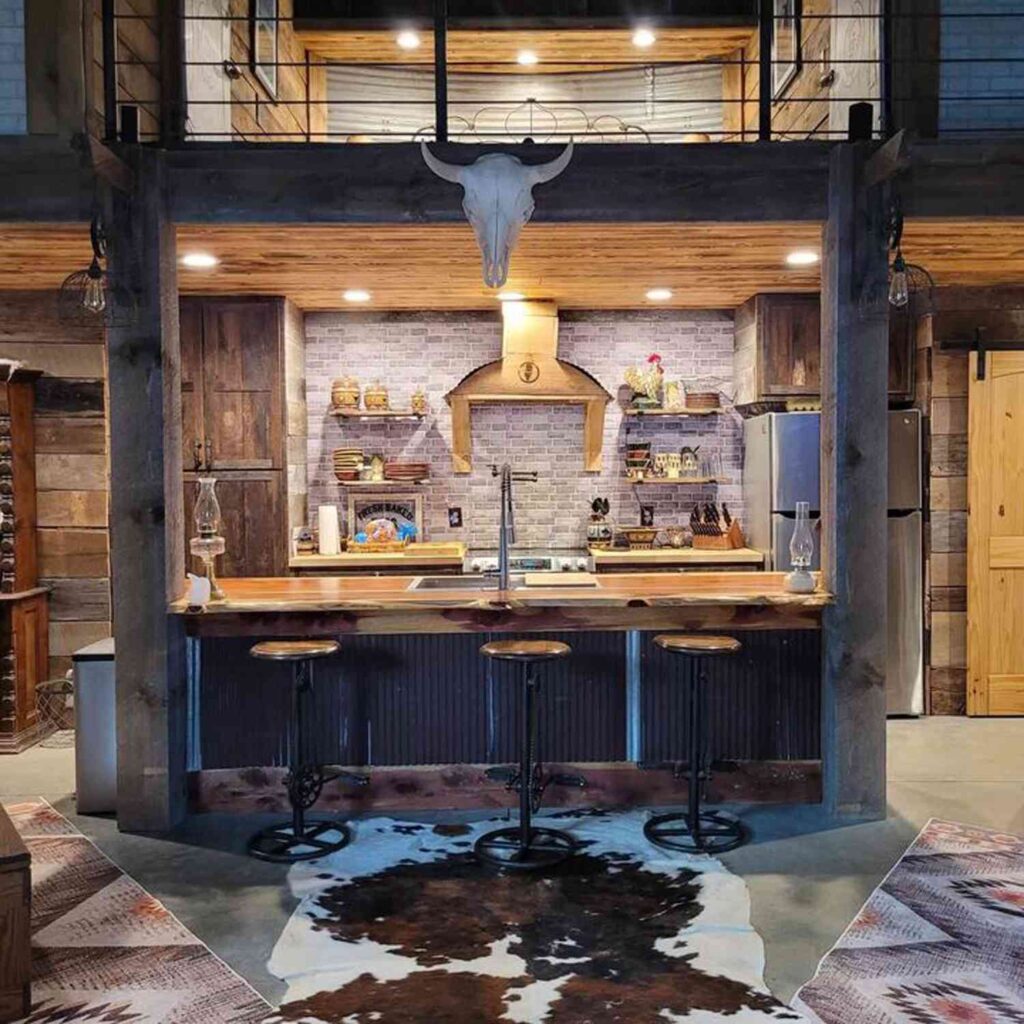
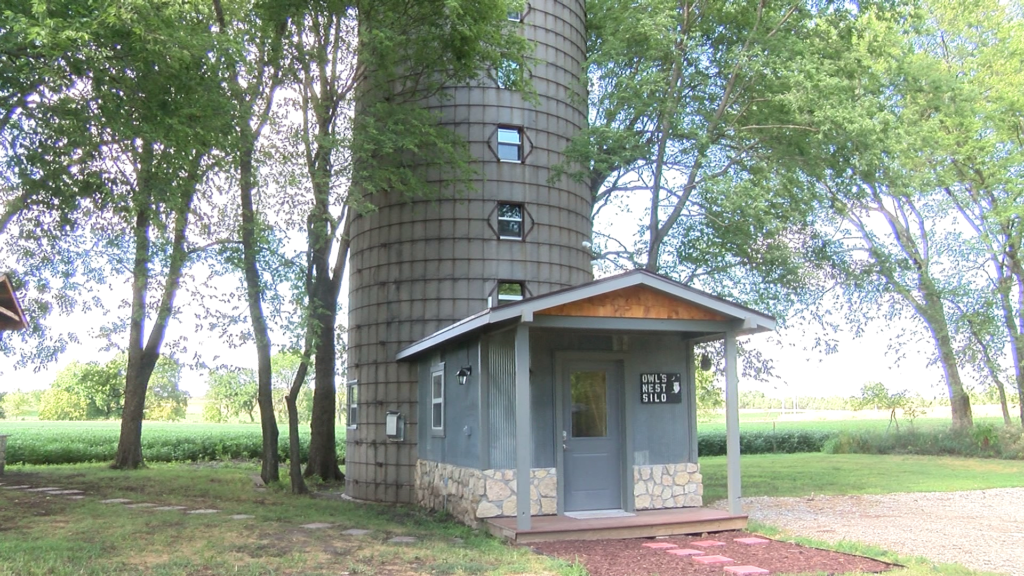
Set among soybean fields and overlooking a peaceful creek valley, the Owl’s Nest Silo House was designed as a retreat from modern noise. Nearby sits a handcrafted log cabin built in 2019, originally meant to be nothing more than a simple weekend escape. The cabin’s blend of rustic warmth and modern comfort quickly resonated with visitors, who found its quiet setting and thoughtful design deeply relaxing. Its success revealed a growing desire for authentic, nature-centered stays—places that feel personal rather than polished.
The project’s owner, Gerald Wiens, initially planned to rent the cabin only occasionally, expecting modest interest. Instead, demand surged, especially during the pandemic, when travelers began seeking solitude, space, and fresh air. The cabin was booked for more than half the year, surprising even its creator. That momentum sparked a bold idea: rather than adding another conventional structure, Gerald turned his attention to an old silo standing on the property, seeing potential where others might see only rust and concrete.
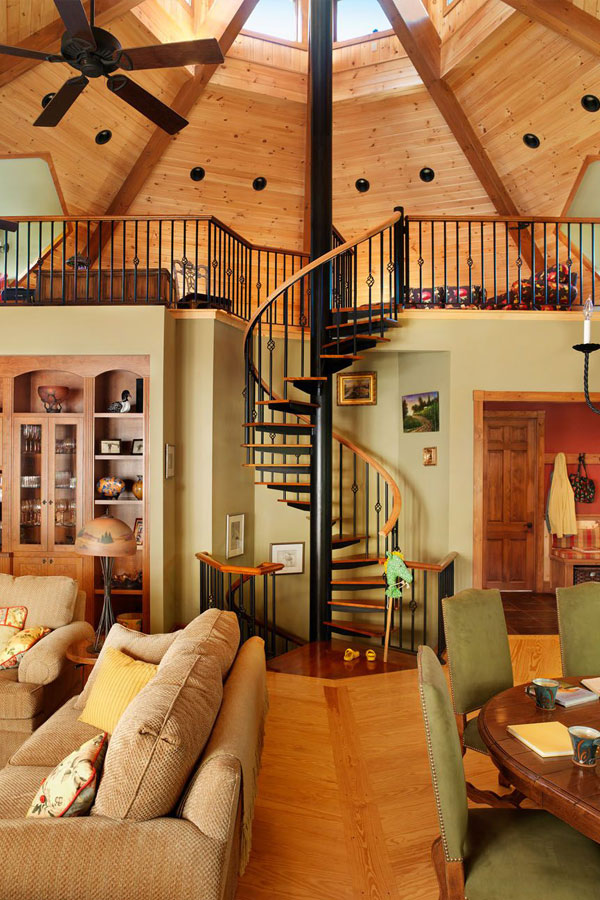
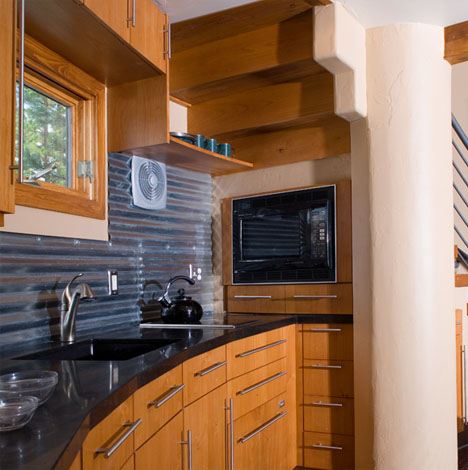
Transforming the silo into a home was no small challenge. Its circular shape required careful planning and creative problem-solving, but the result is striking. Rising four stories and reaching roughly 45 feet tall, the finished silo now houses a warm, inviting two-bedroom retreat. Inside, the curved walls create a cozy, almost sculptural living space that feels both unique and comfortable. What was once a purely functional farm structure has been reborn as a stunning example of sustainable design—an imaginative home that celebrates rural life, thoughtful reuse, and the beauty of seeing possibility where others see limitations.